
All Wastewater Case Studies
Real Projects. Proven Results. Lasting Impact.
Our case studies highlight innovative wastewater treatment solutions developed for municipalities, industries, and private clients. Each project demonstrates our commitment to reliability, efficiency, and environmental stewardship — from reducing nutrient loads to reclaiming water for reuse.
Our wastewater solutions are available today and fully supported by a dedicated technical team — from design and commissioning to long-term operation and optimization.
We believe every drop of water recovered is a step toward a cleaner, more resilient world.
Municipality Gets Back into Compliance Using BioLynceus Products
Del Norte Waste Water: Operator Testimonial Kevin Larimore, Operator for Del Norte Waste Water, reported several improvements after incorporating BioScrubber into the facility’s wastewater treatment program. According to Larimore, the treatment program helped the...
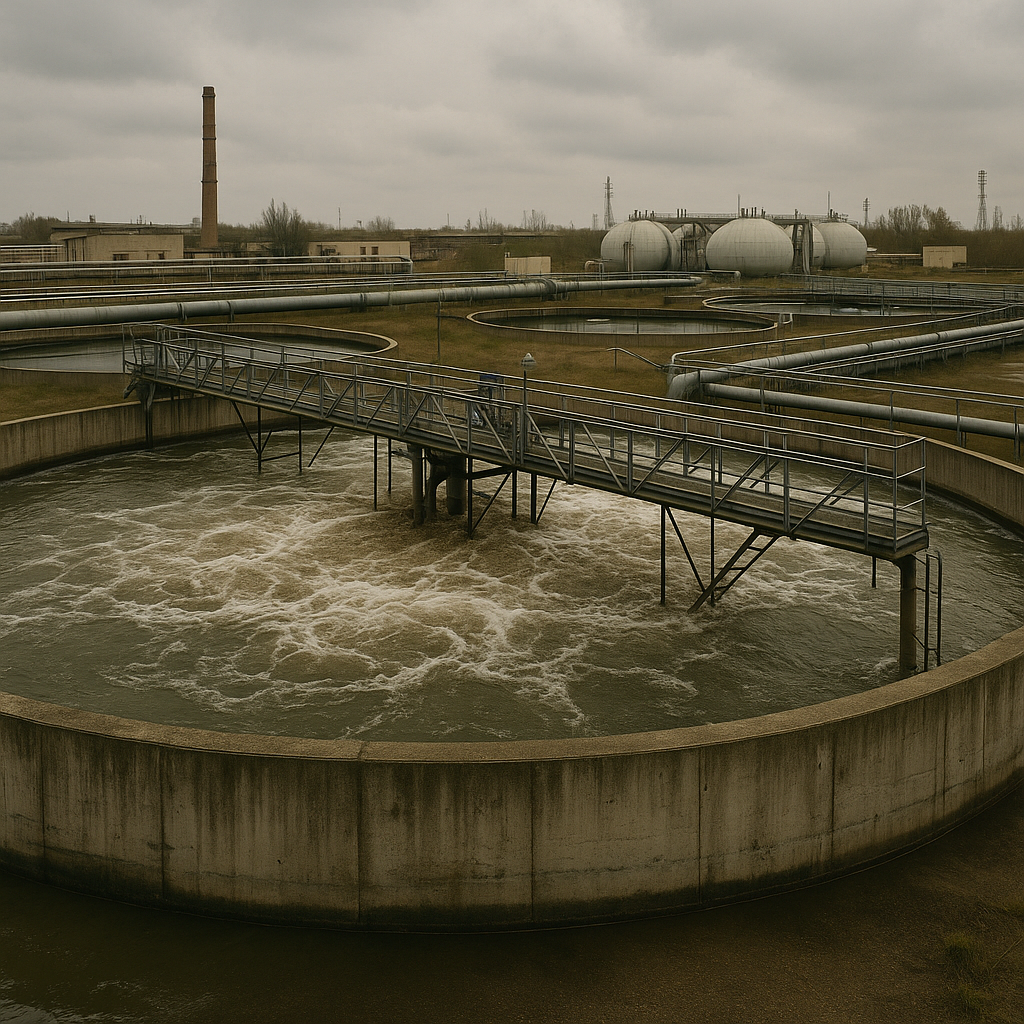
Toxic Hit Recovery at a Mechanical Wastewater Treatment Plant
A 0.06 MGD MWTP in Utah was struggling with weekly toxic hits that were killing off the biomass in their system. The facility serviced a large resort that received thousands of visitors annually and a local distilling operation. Toxicity at the plant is sourced from...
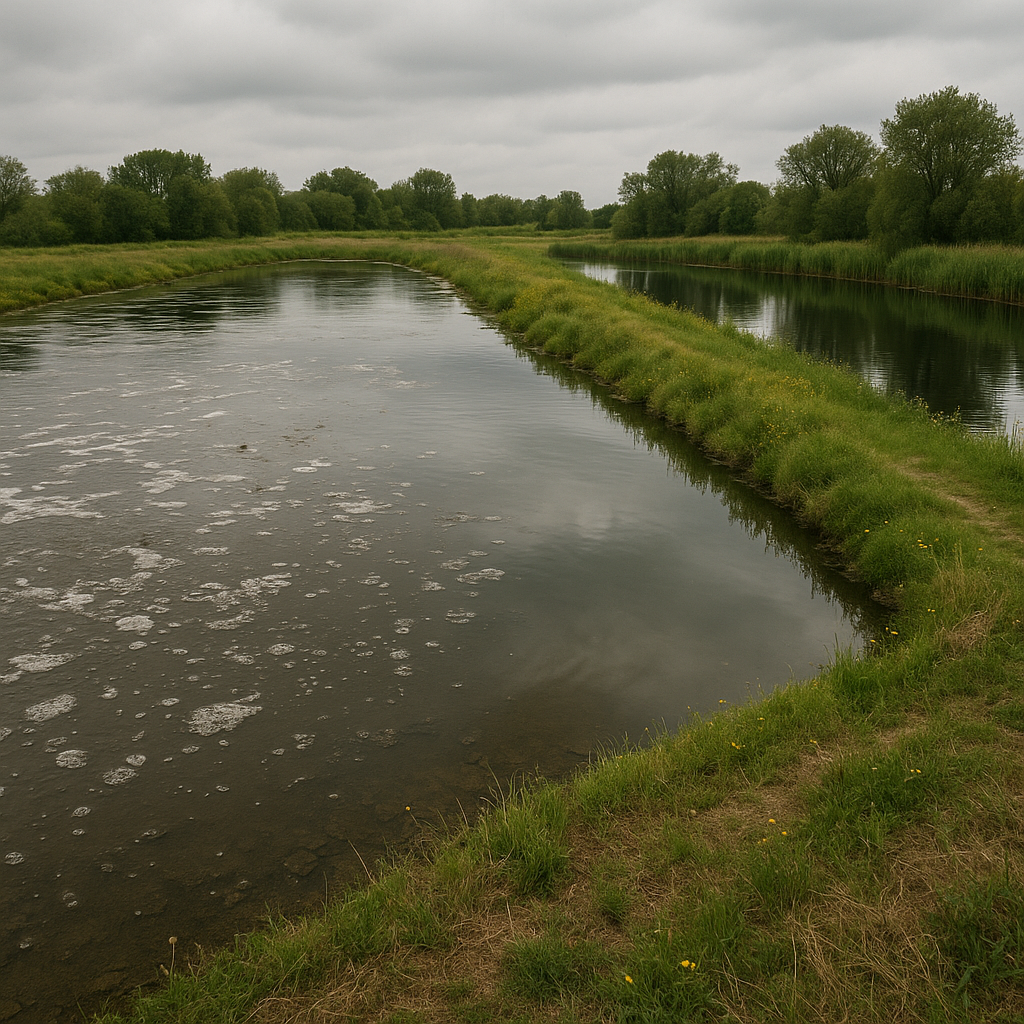
Toxicity Treatment in a Wastewater Lagoon System
Municipal wastewater lagoon systems are susceptible to toxic waste poisoning. Toxic loads from residences and businesses are sporadic and difficult to mitigate. When toxicity levels are high in wastewater lagoons, the biological treatment process is inhibited due to a...
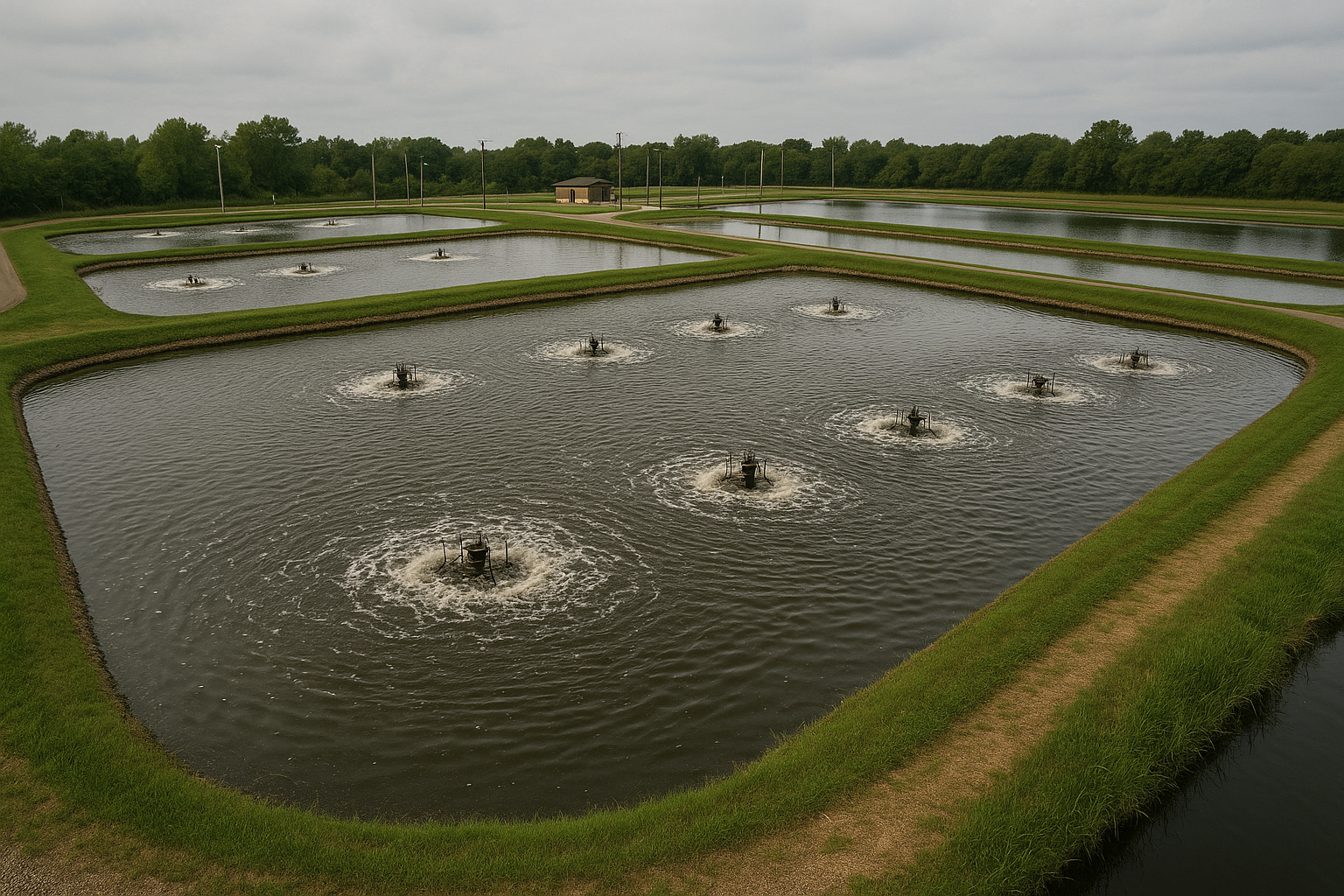
Toxicity Treatment in a Municipal Wastewater Lagoon System
Toxicity Treatment in a Municipal Wastewater Lagoon System Restoring Wastewater Lagoon Biology After Toxic Chemical Loads Wastewater lagoon systems can experience serious biological upsets when toxic chemicals enter the treatment process. These substances can damage...
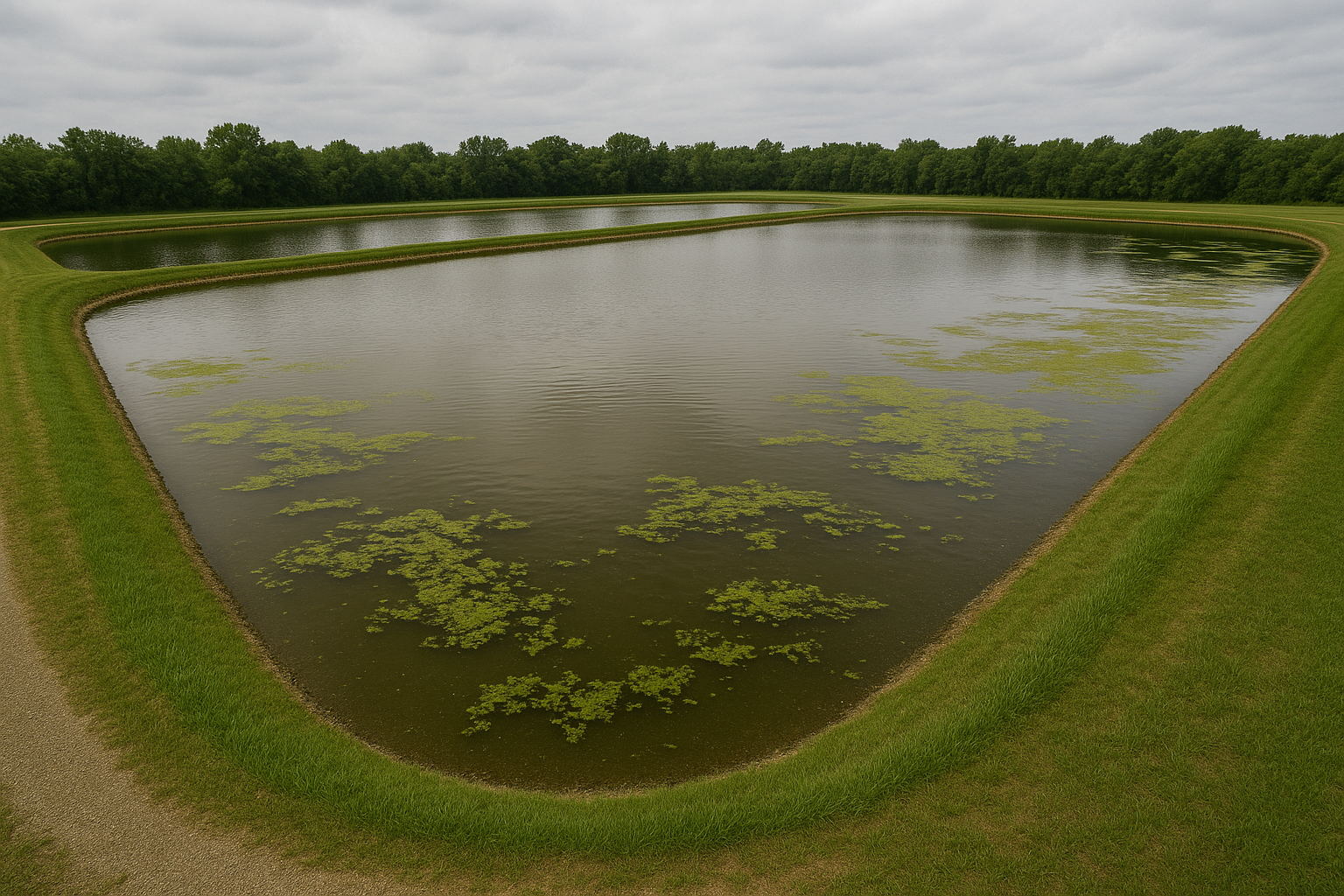
Toxicity Treatment in a Facultative Lagoon System
Restoring Wastewater Lagoon Biology After a Toxic Chemical Upset Toxic substances can significantly disrupt the biology of wastewater lagoon systems. Chemicals associated with illicit drug manufacturing, including amphetamines and compounds used to produce them, can...
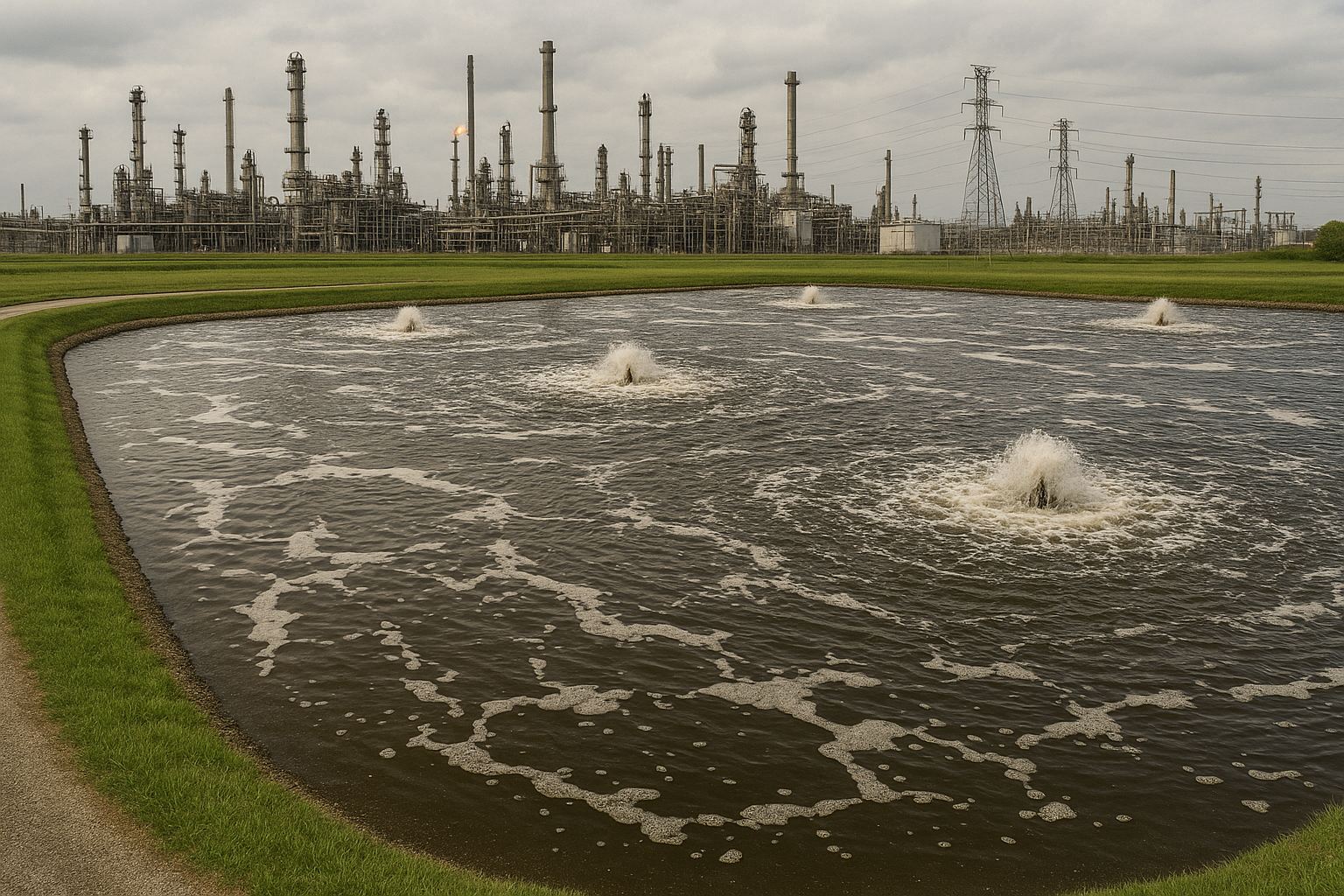
Toxicity Treatment in an Oil Refinery Aerated Lagoon System
In need of a recovery plan for its wastewater treatment system, an industrial oil refinery in New Mexico used BioLynceus® products to restart biological treatment after a toxic event. The refinery was processing 50,000 barrels of crude oil per day. Figure 1. Large oil...
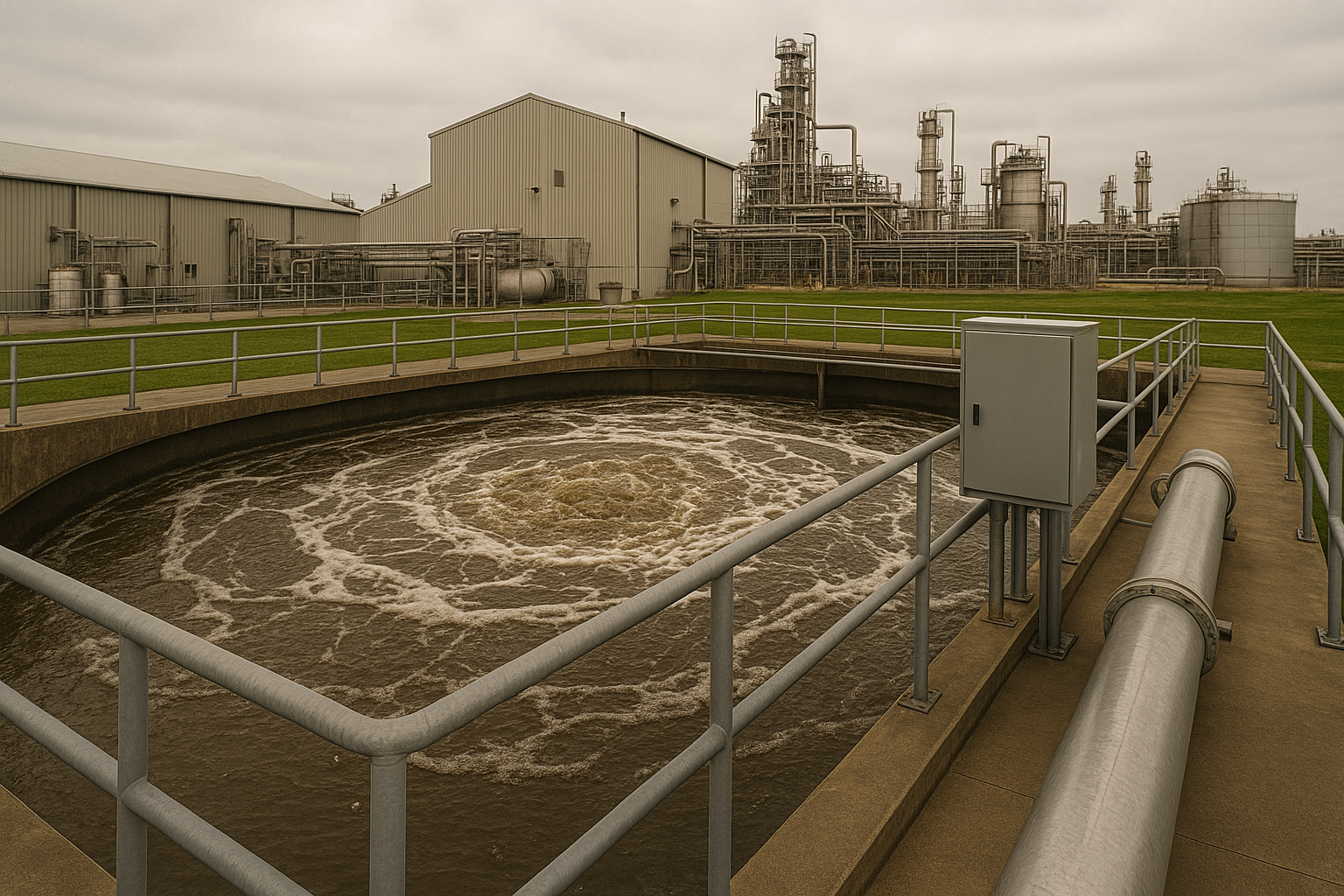
Toxicity Mitigation in an Industrial Sequencing Batch Reactor
Managing toxic loadings at industrial wastewater treatment facilities can be challenging. Influent from food-processing industries can introduce harmful cleaning products. The book Wastewater Bacteria, by Michael Gerardi, explains that surfactants in cleaning...
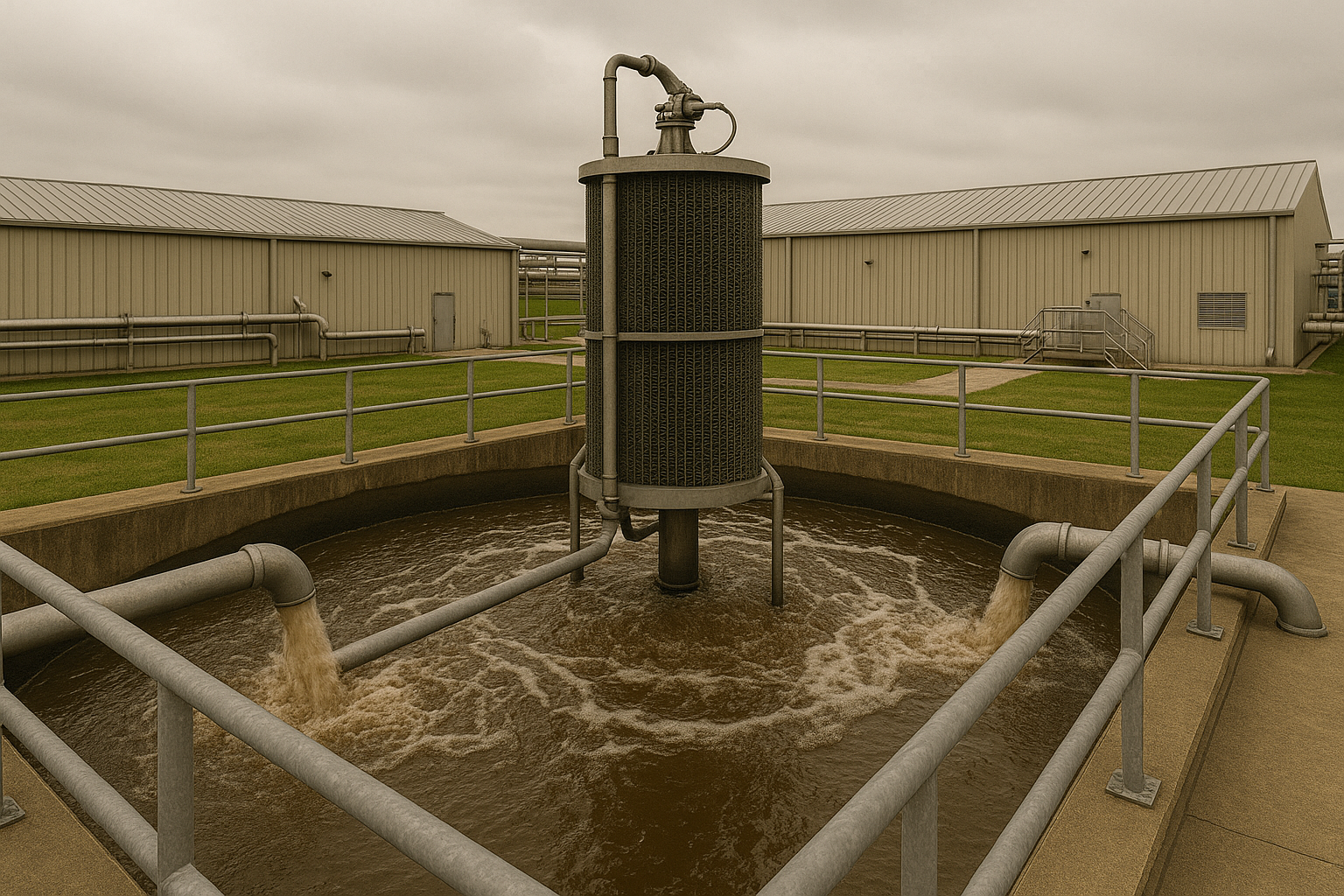
Startup of a Fixed-Film Activated Sludge Process
Establishing a functional biological community for wastewater treatment is essential when starting a new plant. Monitoring the developing biology during startup provides the insight plant staff need to adjust operations and achieve high treatment efficiency....
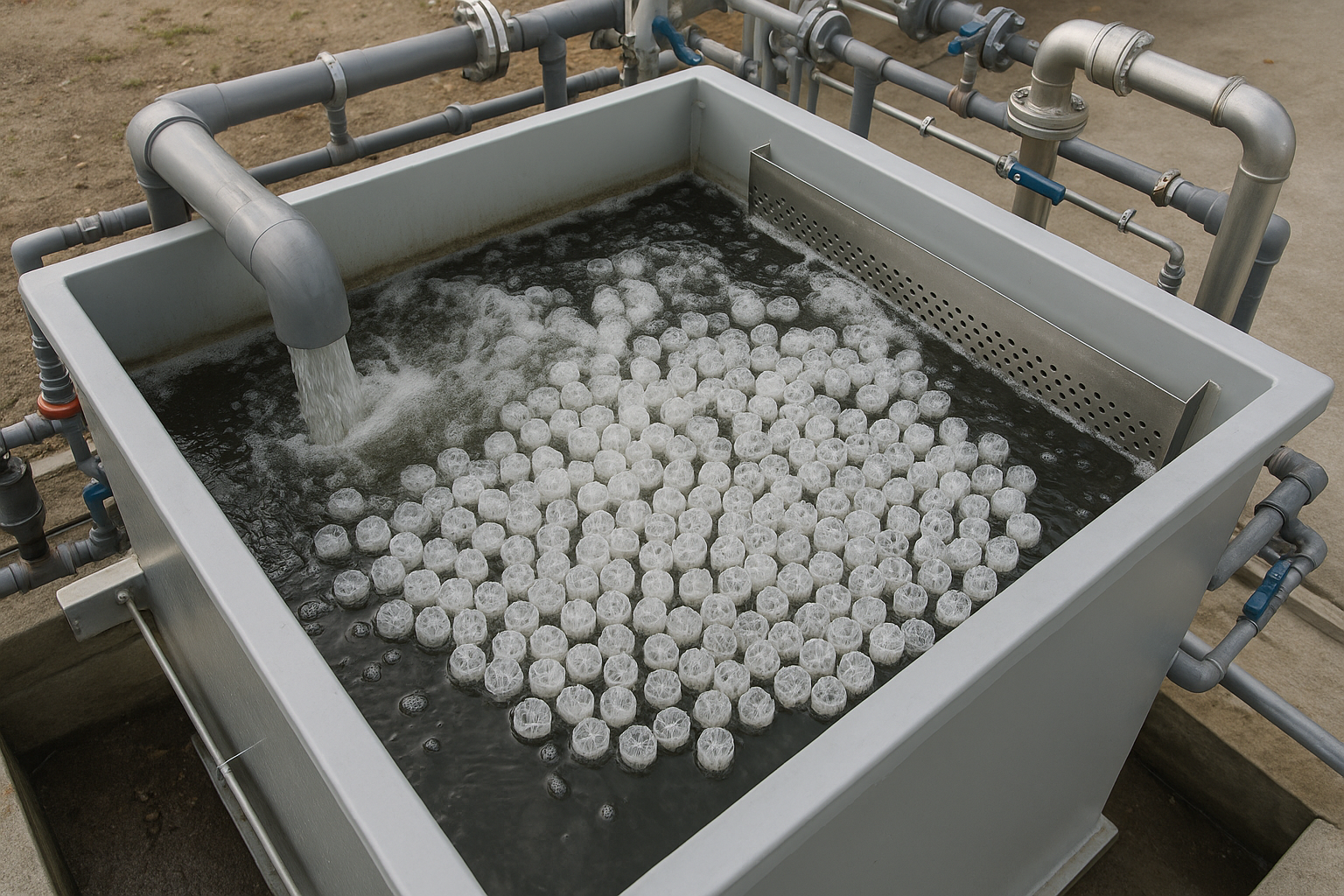
Startup of a Moving Bed Biofilm Reactor
National parks attract millions of visitors each year. Increasing seasonal traffic at these locations can overload wastewater treatment infrastructure, leading to reduced treatment efficiency and, eventually, the need for structural replacement. When starting up a new...
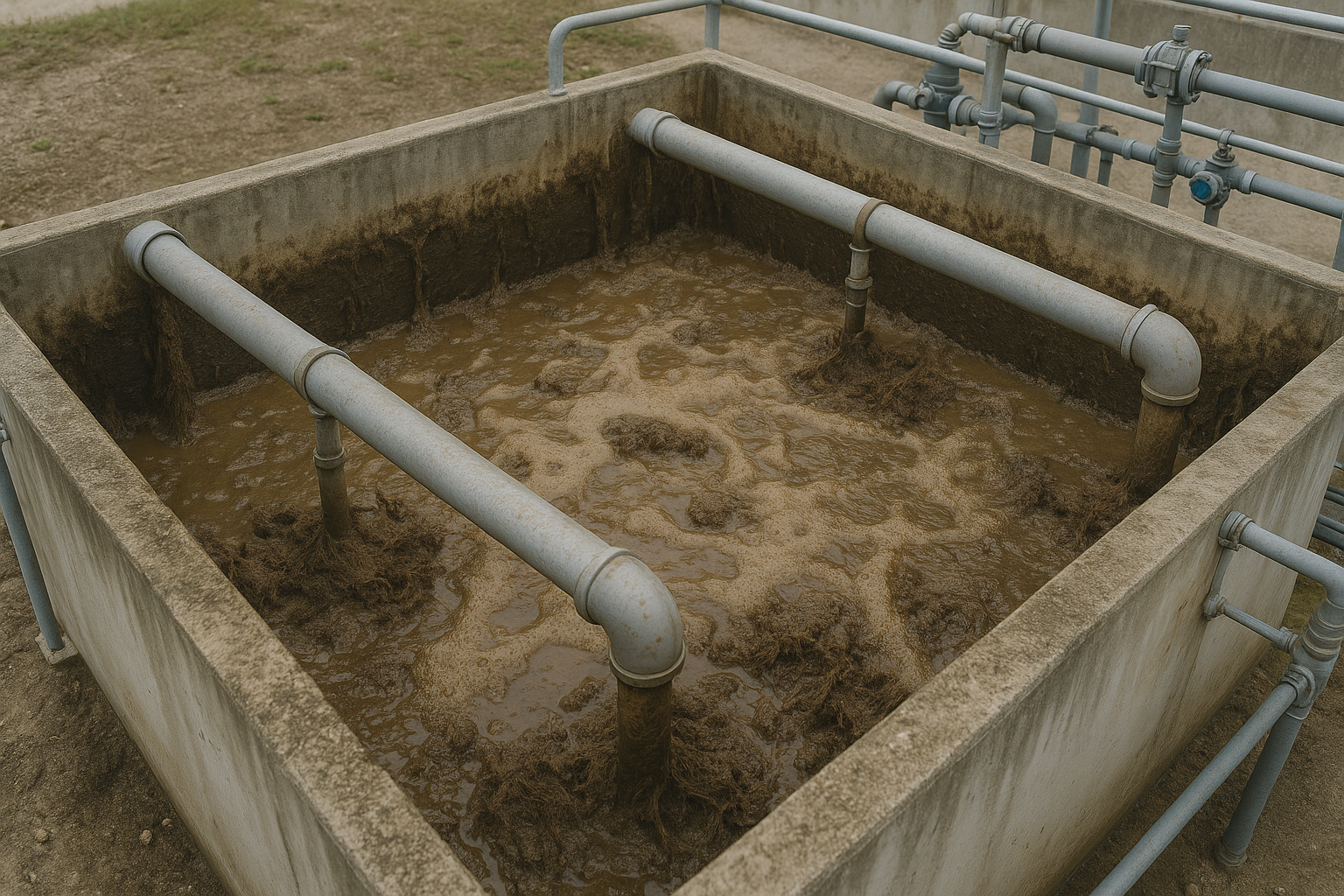
Startup Mechanical Plant After Failed Activated Sludge Seeding
Using Bioaugmentation to Restore Healthy Wastewater Biomass Choosing the right seeding method for a wastewater treatment system can significantly affect biological treatment efficiency. Activated sludge is commonly used to seed new treatment systems or provide...
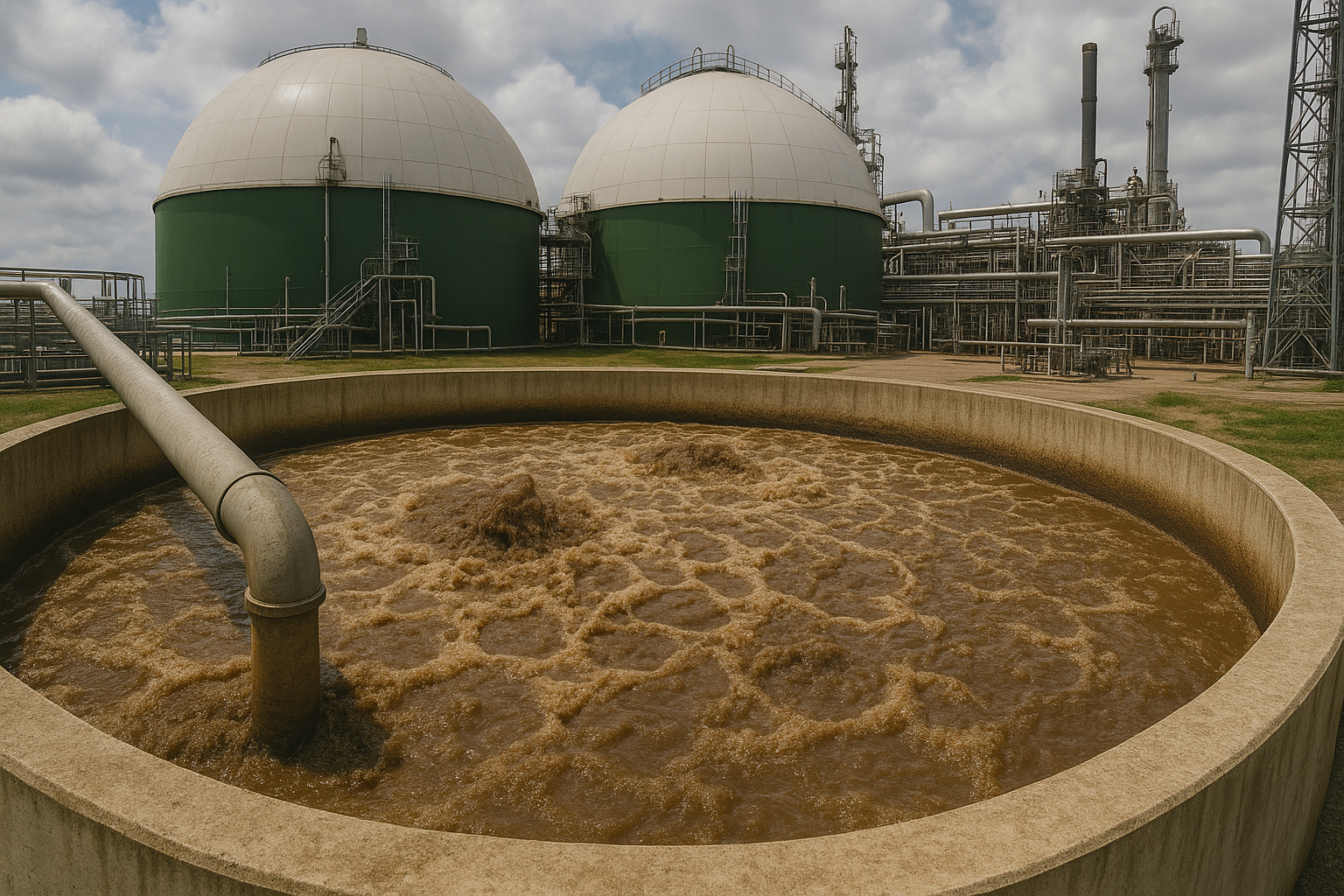
Start-Up of a 6.7 MGD Anaerobic Digester at a Sugar Refinery
Halfway through a sugar beet processing campaign (September through May), a Midwest refinery noticed that something was wrong with its wastewater processing system. The plant discharge was within the limits of its NPDES permit parameters, but the chemical oxygen...
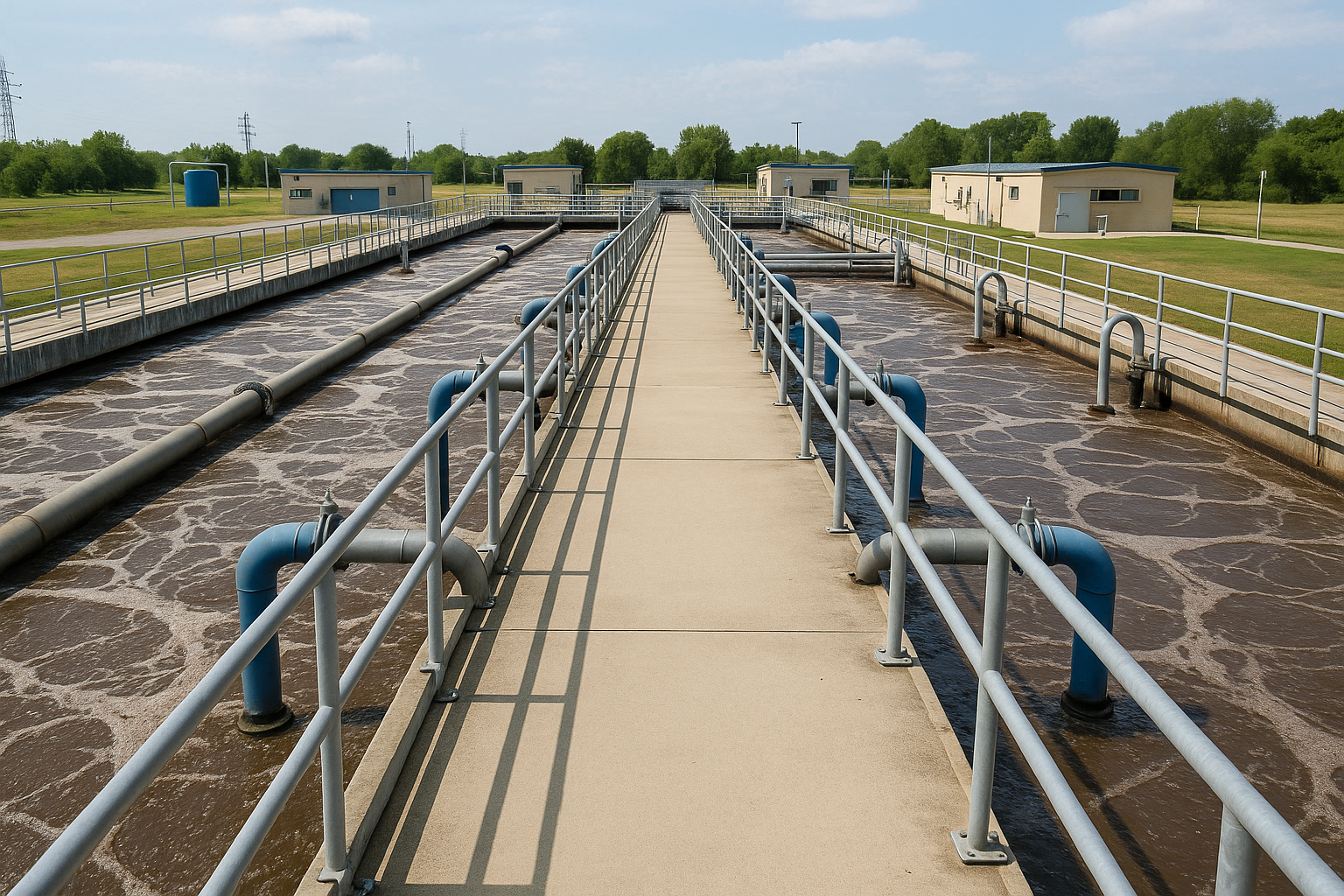
Nitrification with ProBiotic Scrubber® N in an Activated Sludge Plant
An effective activated sludge system has the capacity to remove ammonia from influent wastewater through nitrification. Several factors affect efficient ammonia and nitrite oxidation in wastewater treatment, including temperature and the abundance of microorganisms...

Nitrification Bioaugmentation in an Activated Sludge Process
Augmenting wastewater treatment processes with cultures of nitrifying bacteria can increase microbial abundance and, correspondingly, improve nitrification efficiency. Additionally, introducing organic matter-degrading microorganisms into a system can increase the...

Nitrification Treatment in an Aerated Lagoon System
Municipal lagoon systems are often challenged with facilitating nitrification. Nitrifying bacteria are responsible for removing ammonia from wastewater. These organisms are generally present in low abundance in lagoon processes for a few reasons: (1) nitrification is...

F:M Stability in a National Park Wastewater Network
The F:M ratio in the wastewater treatment system at a national park in Wyoming was optimal from July through October. There was consistent organic carbon loading during this period due to tourist activity. However, when the park closed for the winter, the biomass...

F:M Treatment with Candy Carbon® at an Activated Sludge Plant
Improving Wastewater Biomass Stability During High Infiltration and Inflow Wastewater systems with high infiltration and inflow (I&I) often experience hydraulic overloading, which can disrupt biomass stability and reduce treatment efficiency. Excess I&I can also limit...

F:M Stabilization at a Mechanical Wastewater Treatment Plant
Wastewater treatment plants receiving inconsistentinfluent loads are often challenged with maintainingan effective biological treatment. Many of the keymicroorganisms in wastewater processes are dependenton organic substrate to grow and divide. When influentflows are...

F:M Stability in a Sequencing Batch Reactor
In many resort towns, the influent loads to thewastewater treatment system are highly variablethroughout the year. During the tourist seasons there isan abundance of wastewater to sustain the biomass attreatment facilities, but when the transient populationleaves,...

F:M Treatment in an Activated Sludge Plant
Restoring Wastewater Biomass After Infiltration and Inflow Washouts Wastewater treatment systems in regions with high annual precipitation, such as the Pacific Northwest, are especially vulnerable to infiltration and inflow (I&I). Excess I&I can increase hydraulic...