A 0.06 MGD MWTP in Utah was struggling with weekly toxic hits that were killing off the biomass in their system. The facility serviced a large resort that received thousands of visitors annually and a local distilling operation. Toxicity at the plant is sourced from extremely high biological oxygen demand (BOD) and fats, oils, and grease from the resort. Additionally, the chemicals and surfactants in the influent from the distillery were poisoning the biology. These toxic waste inputs prevented a stable biomass from establishing in the system. Without functional biological treatment, the facility’s effluent had frequent high BOD and NH3 concentrations.
The operators added activated sludge from a neighboring plant to restart the system each time toxic waste killed off the biology. Hauling and implementing activated sludge was becoming financially and operationally taxing, so the facility manager sought alternative seeding options. After reviewing BioLynceus’s references of work, the management decided to treat their plant toxicity with PBII.
To reinstate efficient wastewater processing after a toxic hit or influent overload, a daily dose of PBII was applied to the MWTP aeration basin for three to five days. The treatment increased the abundance of nitrifying and organotrophic bacteria that helped improve effluent BOD and NH3 levels. The system’s recovery time from toxic hits was also decreased during bioaugmentation. After multiple successes with PBII, the plant manager reported, “I am extremely pleased with the BioLynceus® product and have seen a huge change in effluent quality.”
Treating toxic upsets with PBII quickly and cost-effectively instilled a healthy biomass at the MWTP.
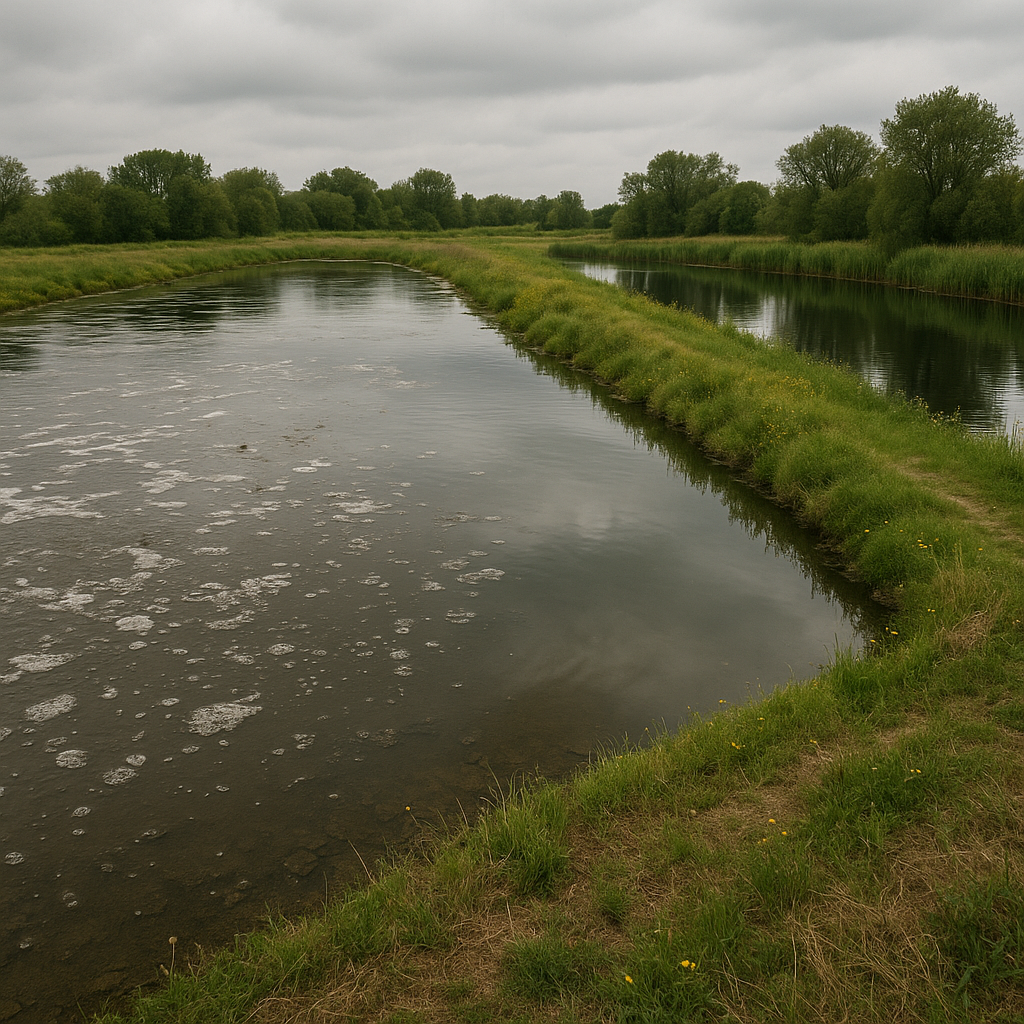
Toxicity Treatment in a Wastewater Lagoon System
Municipal wastewater lagoon systems are susceptible to toxic waste poisoning. Toxic loads from residences and businesses are sporadic and difficult to mitigate. When toxicity levels are high in wastewater lagoons, the biological treatment process is inhibited due to…
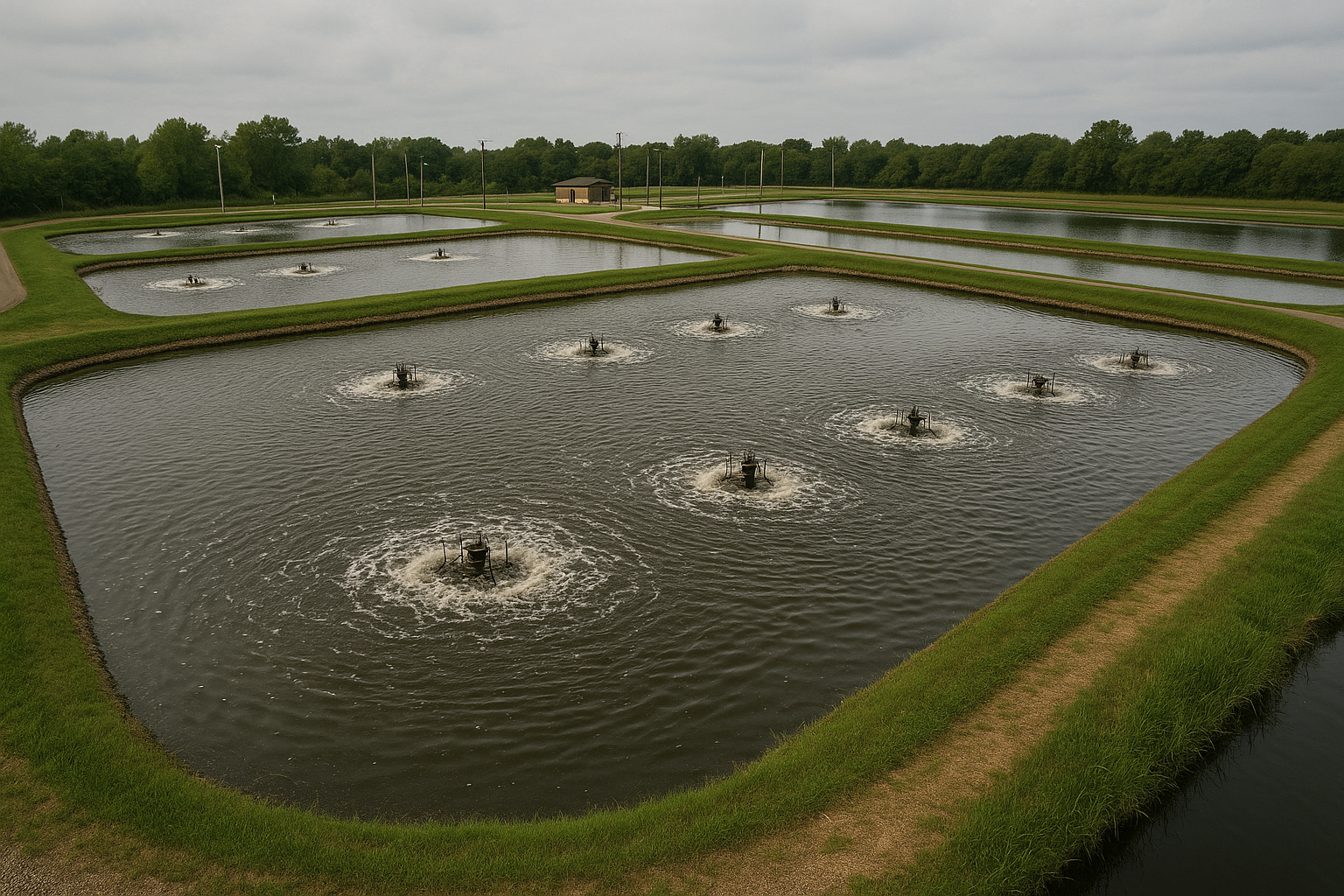
Toxicity Treatment in a Municipal Wastewater Lagoon System
Wastewater lagoon systems often experience biological upsets when toxic loads are introduced. Specifically, the chemicals used in illicit drug manufacturing can cause significant harm to the microbial communities in surface waters.1 Municipal lagoon systems are…
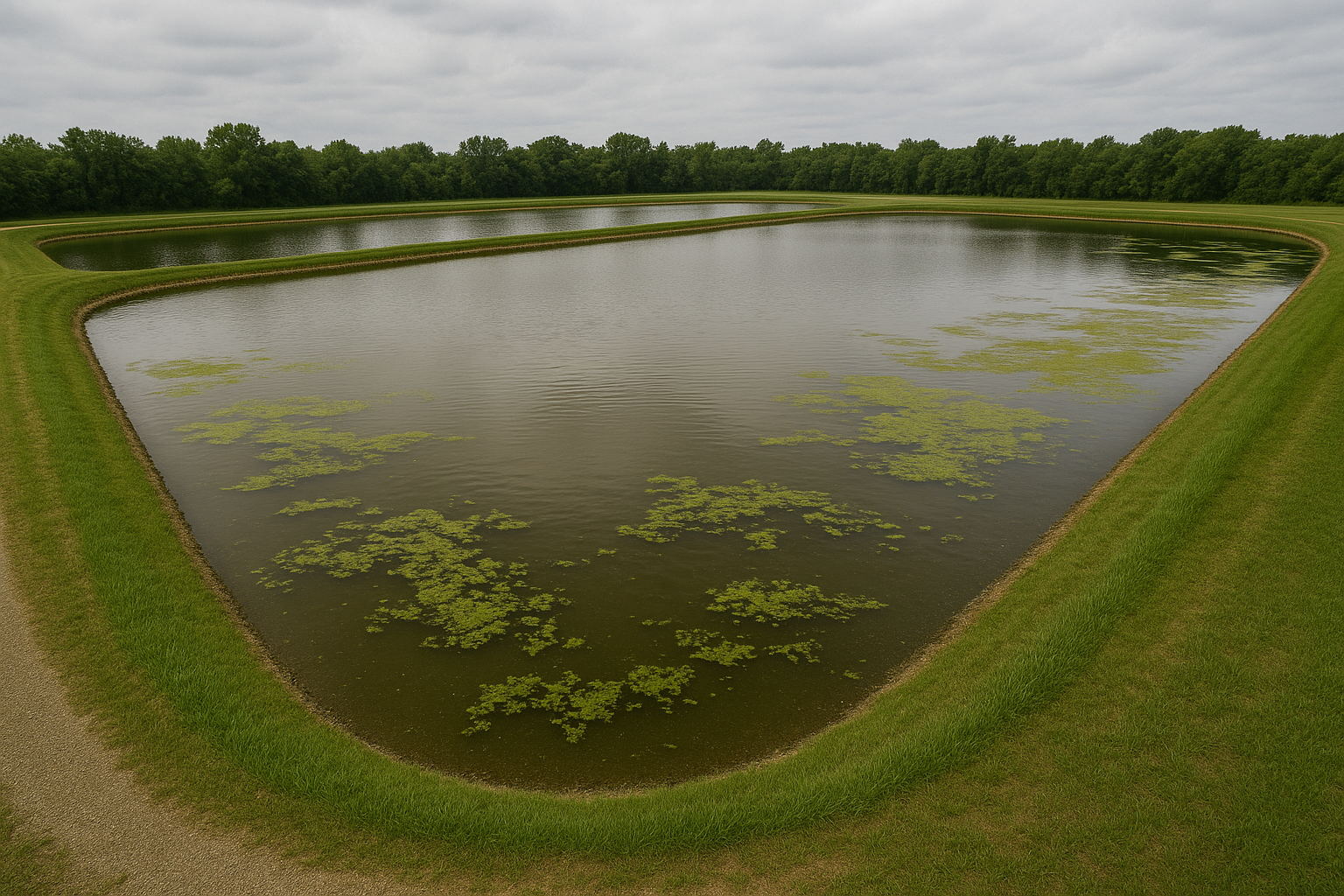
Toxicity Treatment in a Facultative Lagoon System
The biology in wastewater lagoons can be significantly impacted by toxic substances introduced from illicit drug manufacturing. Surface waters contaminated with amphetamines, and the chemicals used to manufacture them, are known to suppress aquatic life, including…
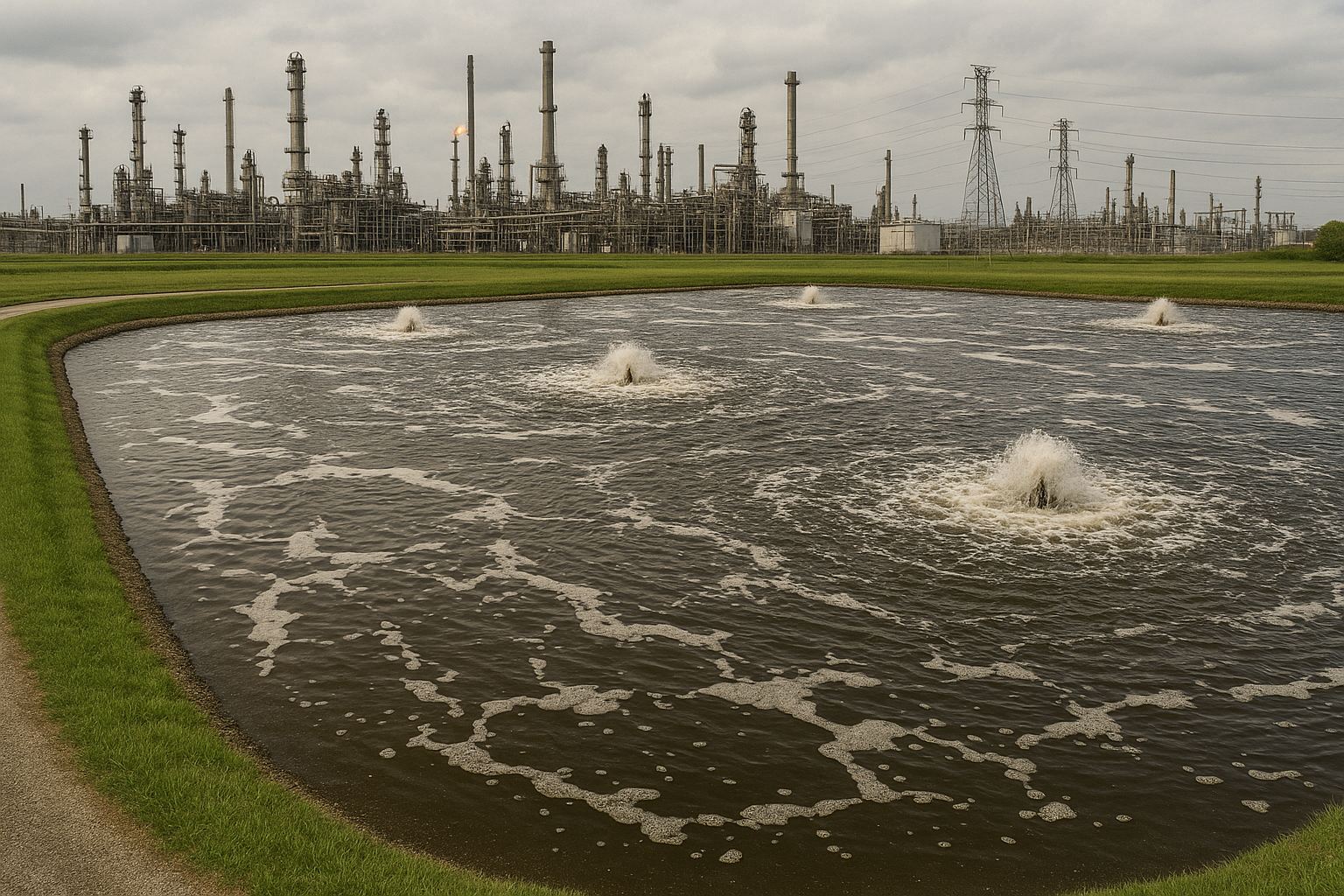
Toxicity Treatment in an Oil Refinery Aerated Lagoon System
In need of a recovery plan for their wastewatertreatment system, an industrial oil refinery in NewMexico used BioLynceus® to restart their biologicaltreatment after a toxic hit. The refinery was processing50,000 barrels of crude oil a day. Figure 1. Large oil refinery…
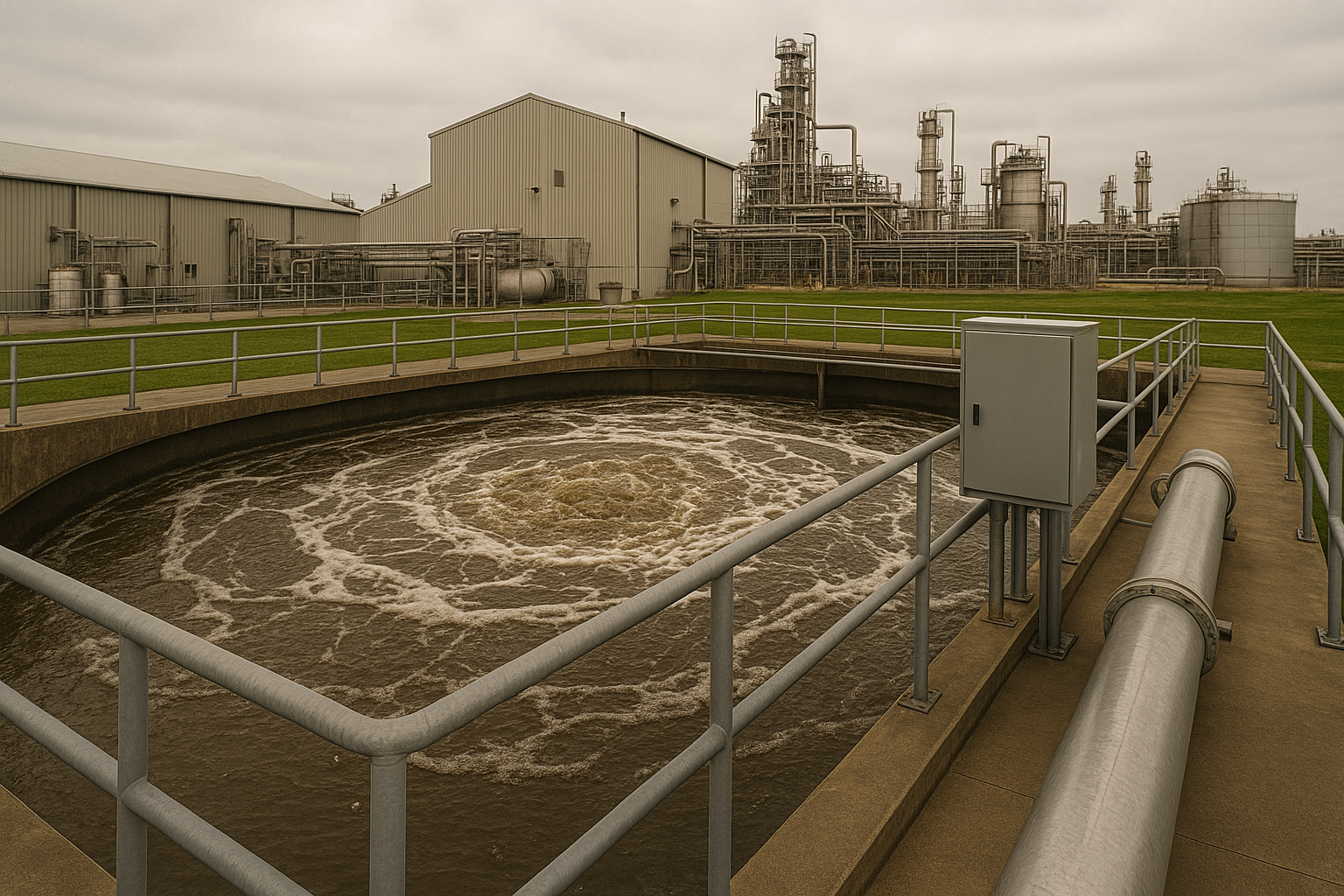
Toxicity Mitigation in an Industrial Sequencing Batch Reactor
Managing toxic loadings at industrial wastewater treatment facilities can be challenging. Influent from food processing industries can introduce harmful cleaning products. The book Wastewater Bacteria, by Michael Gerardi, explains cleaning chemical surfactants can be…
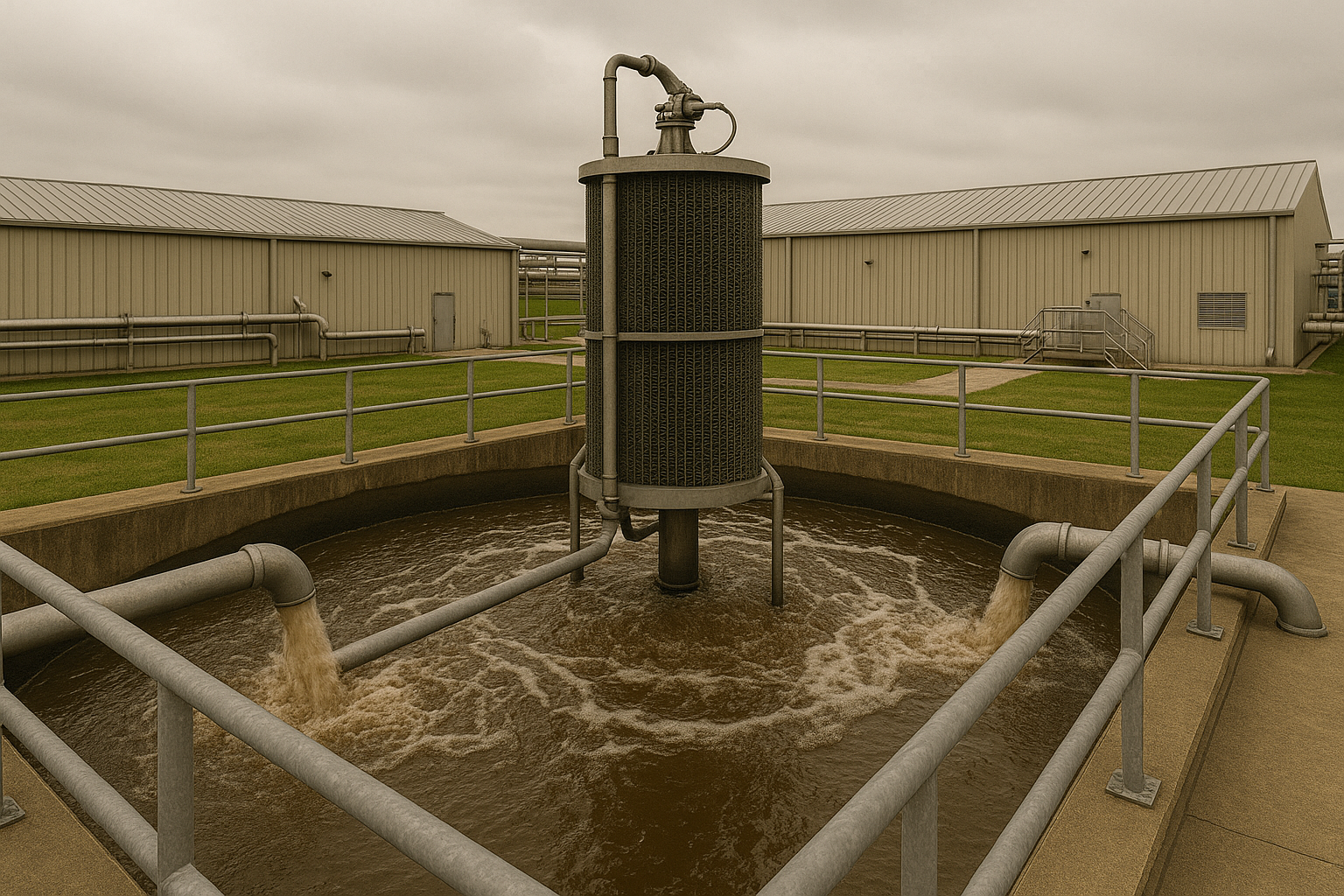
Startup of a Fixed-Film Activated Sludge Process
Establishing a functional biological community for wastewater treatment is essential when starting a new plant. Monitoring the growing biology during a startup provides the insight plant staff need to adjust operations to achieve a high treatment efficiency….
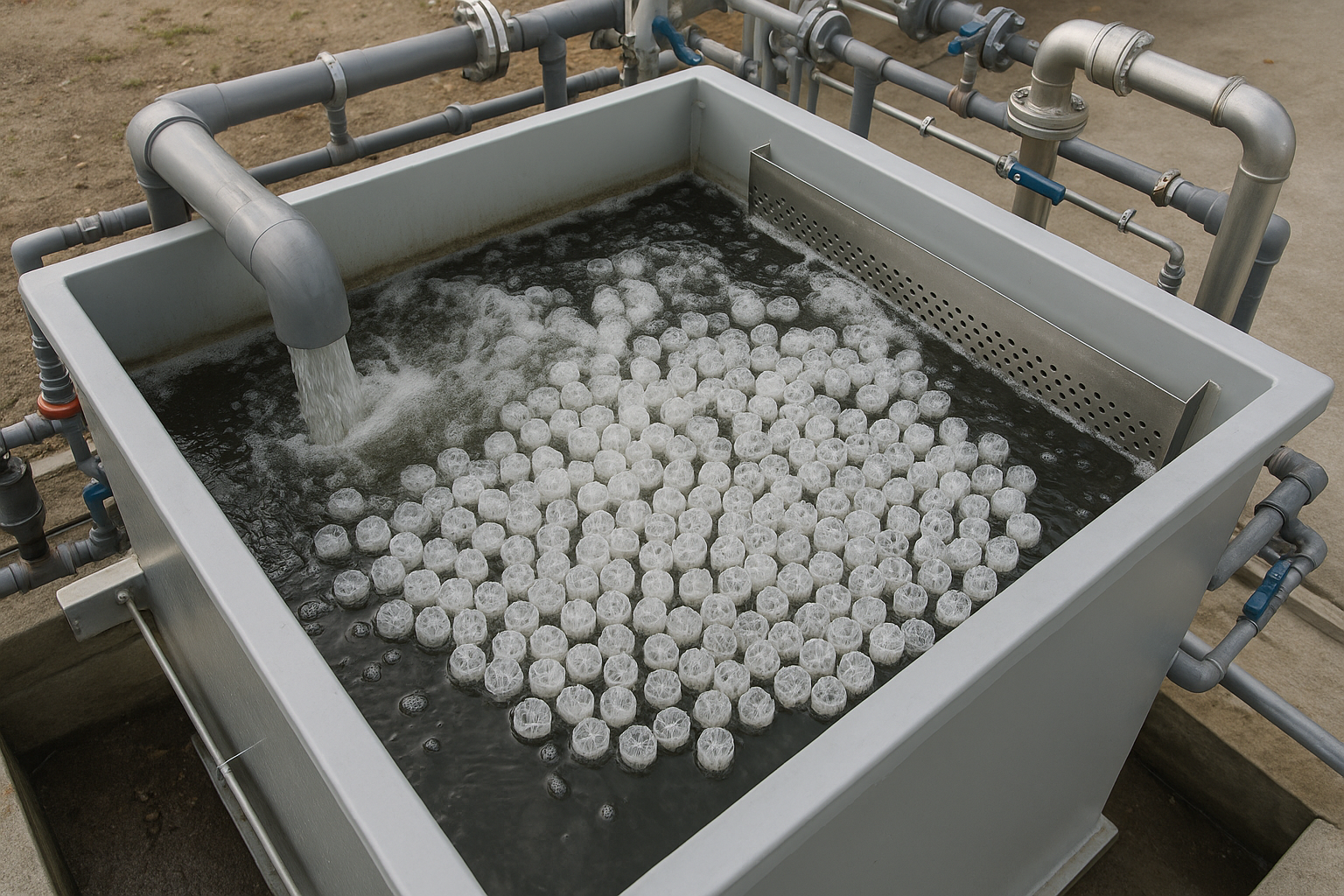
Startup of a Moving Bed Biofilm Reactor
National parks attract millions of visitors each year.Increasing seasonal traffic experienced by theseestablishments can overload the wastewater treatmentinfrastructure leading to treatment inefficiency and,eventually, structural replacement. When starting up anew…
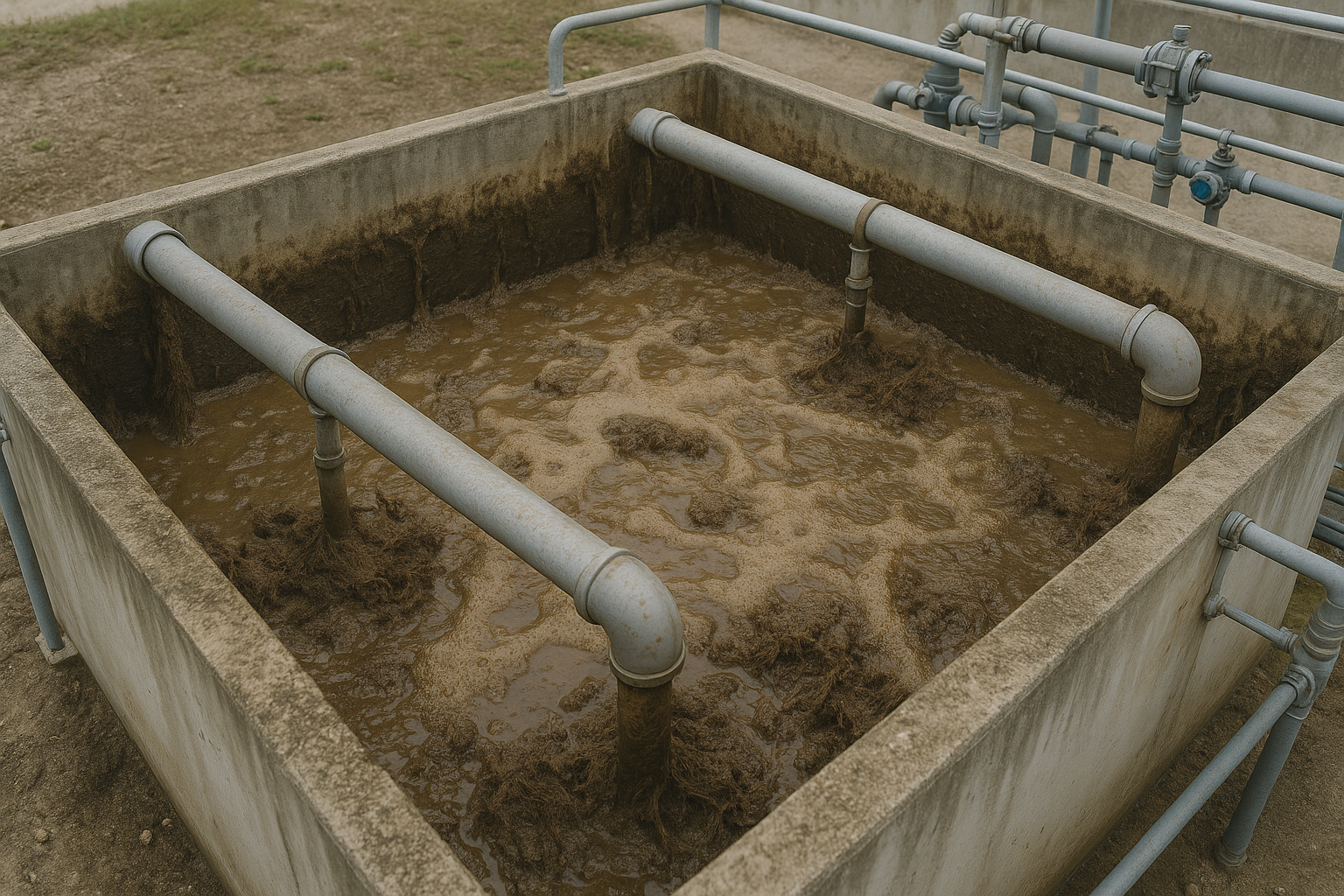
Startup Mechanical Plant After Failed Activated Sludge Seeding
Choosing an appropriate seeding method for wastewater operations can have a significant impact on biological treatment efficiency. Activated sludge is traditionally used to seed new treatment systems and supplement others that need bioaugmentation. A common issue in…
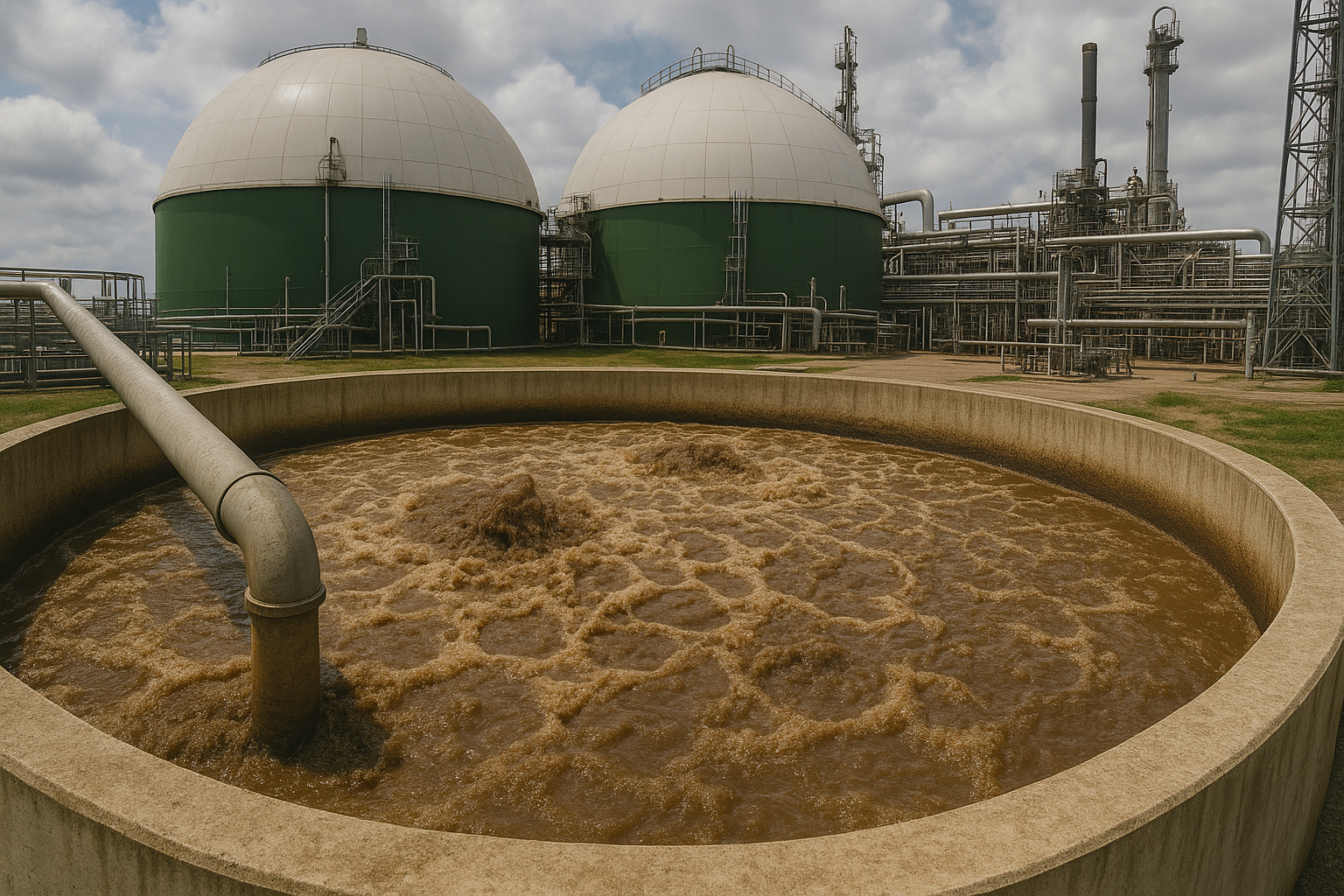
Start-Up of a 6.7 MGD Anaerobic Digester at a Sugar Refinery
Halfway through a sugar beet processing campaign(September through May) a Midwest refinery noticedsomething was wrong with their wastewater processingsystem. The plant discharge was within limits for their NPDESpermit parameters, but the chemical oxygen demand…
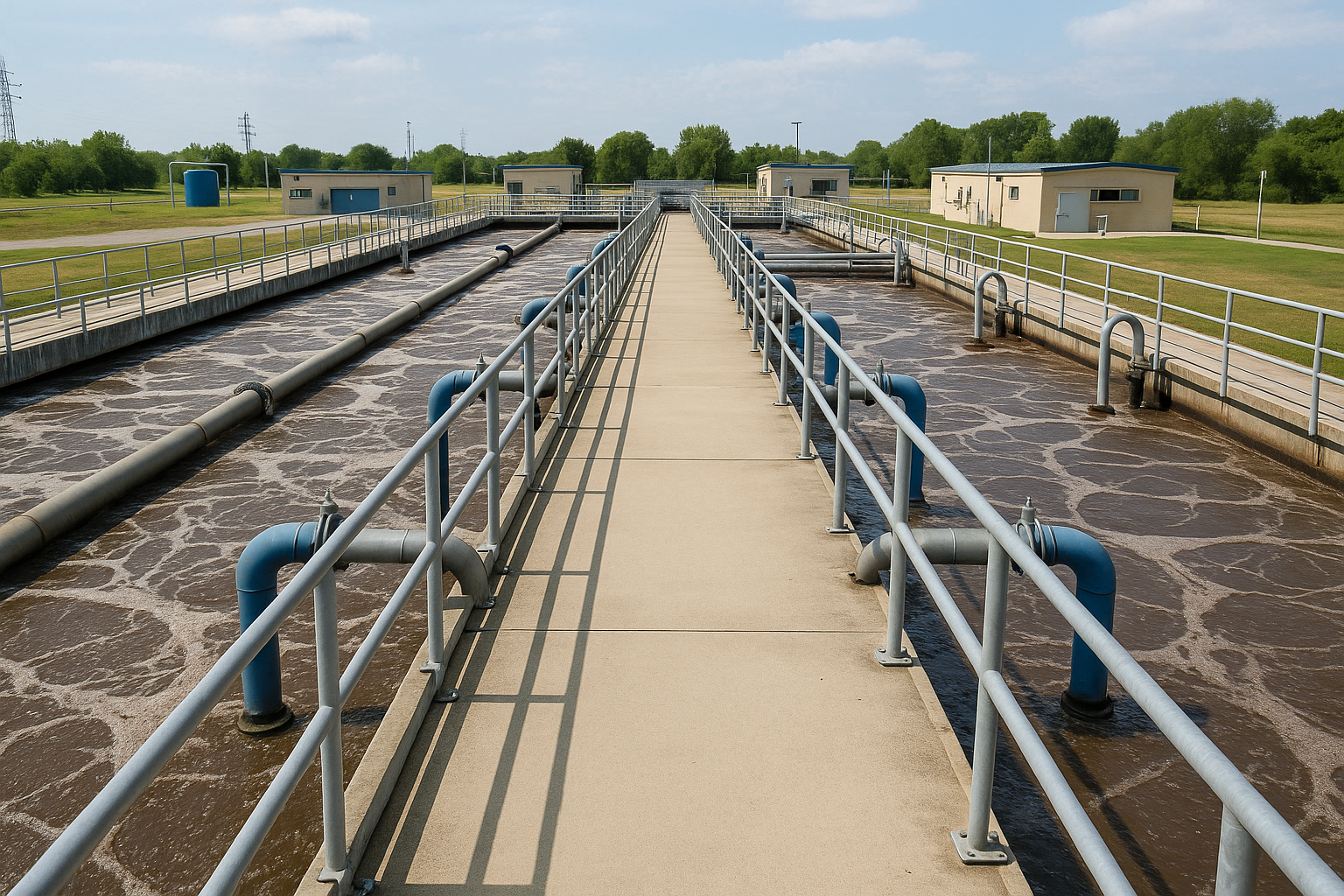
Nitrification with ProBiotic Scrubber® N in an Activated Sludge Plant
An effective activated sludge system has the capacity to remove ammonia from influent wastewater via nitrification. Several factors impacting efficient ammonia and nitrite oxidation in wastewater treatment include, temperature, and abundance of carbonaceous and…