Using Bioaugmentation to Restore Healthy Wastewater Biomass
Choosing the right seeding method for a wastewater treatment system can significantly affect biological treatment efficiency. Activated sludge is commonly used to seed new treatment systems or provide bioaugmentation when microbial populations need to be restored.
However, activated sludge can introduce unwanted microorganisms into a treatment system. One common concern is sludge bulking, which occurs when filamentous bacteria grow excessively within the biomass.¹
Sludge bulking can cause several wastewater treatment problems, including:
- Poor solids settling
- Reduced biological nutrient removal
- Excessive foaming
- Clogged filters
- Increased facility maintenance
The Risks of Filamentous Bacteria in Activated Sludge
Predicting whether sludge bulking will occur after seeding a wastewater system can be difficult. Filamentous bacteria respond differently depending on environmental and operating conditions.
One way to reduce the risk is to measure the proportion of filamentous bacteria in activated sludge before using it as seed. Previous studies have shown that sludge bulking can occur when filamentous bacteria account for as little as 1–20% of the microbial volume.²˒³
Even at relatively low concentrations, filament-forming organisms can create significant treatment problems.
For this reason, bioaugmentation with a specifically designed microbial community may provide a more controlled alternative to seeding with activated sludge.
The following case study describes how ProBiotic Scrubber® II (PBII) was used at a 0.7 MGD mechanical wastewater treatment plant in Colorado to restore a healthier microbial population after filamentous bacteria disrupted treatment performance.
Toxic Waste Disrupts Biological Wastewater Treatment
A small resort town in Colorado treated its wastewater at a mechanical wastewater treatment plant using rotating bed contactors for nutrient removal.
The facility operated normally until a concentrated load of petroleum-based toxic waste entered the treatment system. The toxic event severely inhibited the microorganisms responsible for biological wastewater treatment. Because the existing biomass had been damaged, operators needed to reseed the wastewater treatment plant.
To restore biological activity, they transported activated sludge from a neighboring wastewater treatment facility and added several loads to the plant. Unfortunately, the imported activated sludge also introduced filamentous bacteria, demonstrating the risk of introducing unwanted microorganisms when reseeding a wastewater treatment system.
Filamentous Bacteria Cause Treatment Problems
Shortly after the plant was reseeded, operators began experiencing several wastewater treatment problems.
The aeration basin developed excessive foaming, solids would not settle properly, and filters became continuously clogged. Facility personnel had to perform filter backwashing around the clock to keep the treatment process operating.
After examining a mixed liquor sample, the head operator discovered that filamentous bacteria had accumulated in the reactor.
The excessive filamentous growth interfered with solids settling and nutrient removal. To restore normal wastewater processing, operators needed to reduce the dominance of these organisms and rebuild a healthier microbial community.
Facility management contacted BioLynceus® to develop a wastewater bioaugmentation program.
Bioaugmentation with ProBiotic Scrubber® II
BioLynceus® supplied ProBiotic Scrubber® II (PBII) to the aeration tank of the 0.7 MGD wastewater treatment system.
Within 24 hours of the PBII application, nitrification was restored in the treatment basin.
Over the following several weeks, suspended solids in the plant effluent gradually decreased. This improvement indicated that the microbial community was shifting toward a healthier composition that supported better solids settling.
Foaming in the aeration basin also returned to normal levels (Figure 1).
These improvements were especially important because the wastewater treatment plant had to meet stringent NPDES discharge permit limits before releasing treated water into the Blue River.
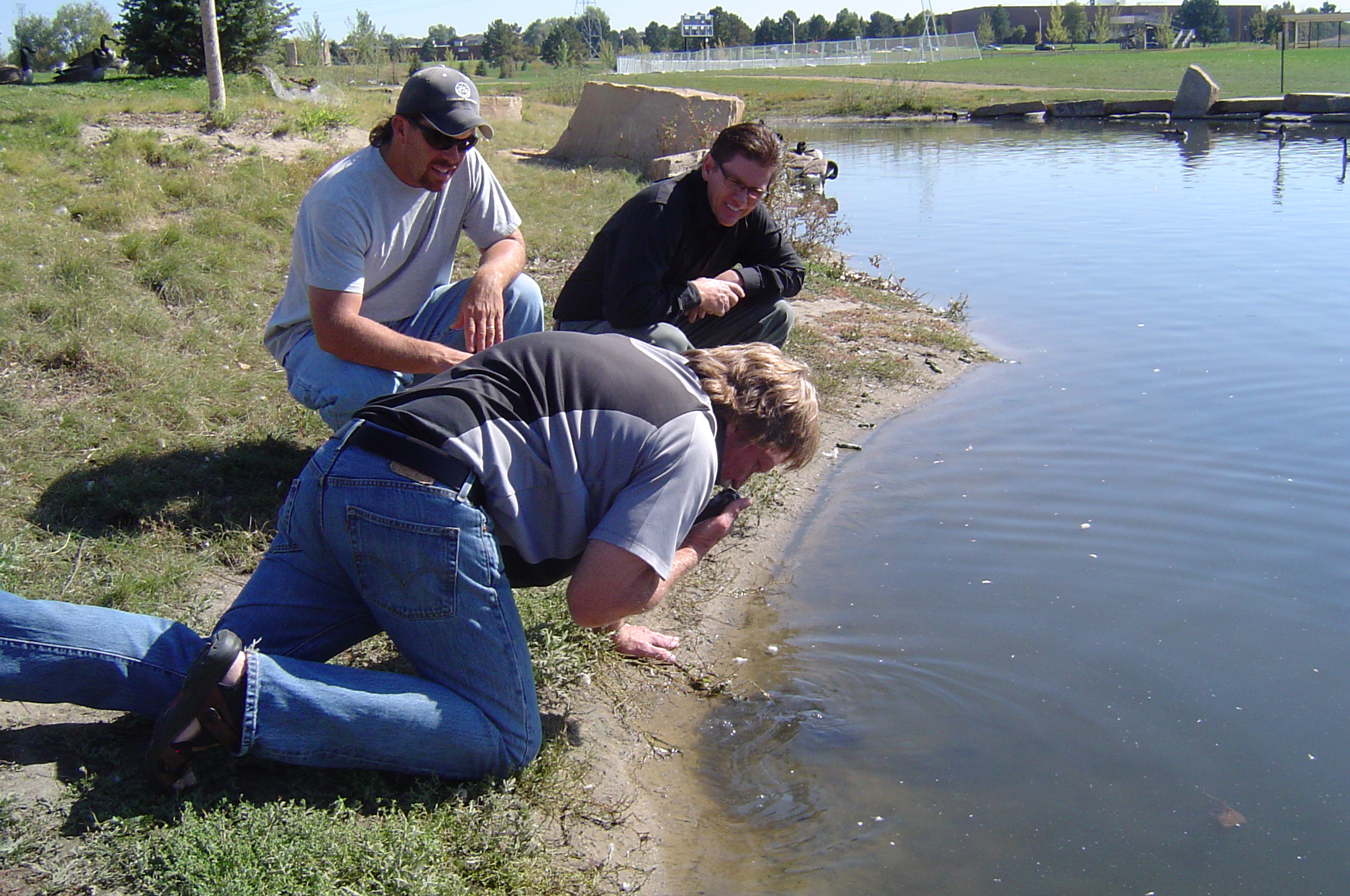
BioLynceus® ProBiotic Scrubber® II is an effective seed for restarting MWTPs.